
Žižole fruit displayed fresh and dried for comparison
Žižole is a fruit that holds a unique place in traditional diets and wellness practices. Known in other regions as jujube, this small round fruit grows on a deciduous tree and is popular for its sweet taste and multiple health benefits. Žižole has been used for centuries in herbal remedies, home cooking, and seasonal markets across Europe and Asia. Understanding the uses, nutritional value, and practical applications of žižole can help you see why this fruit continues to be valued.
What is Žižole and Where Does It Come From
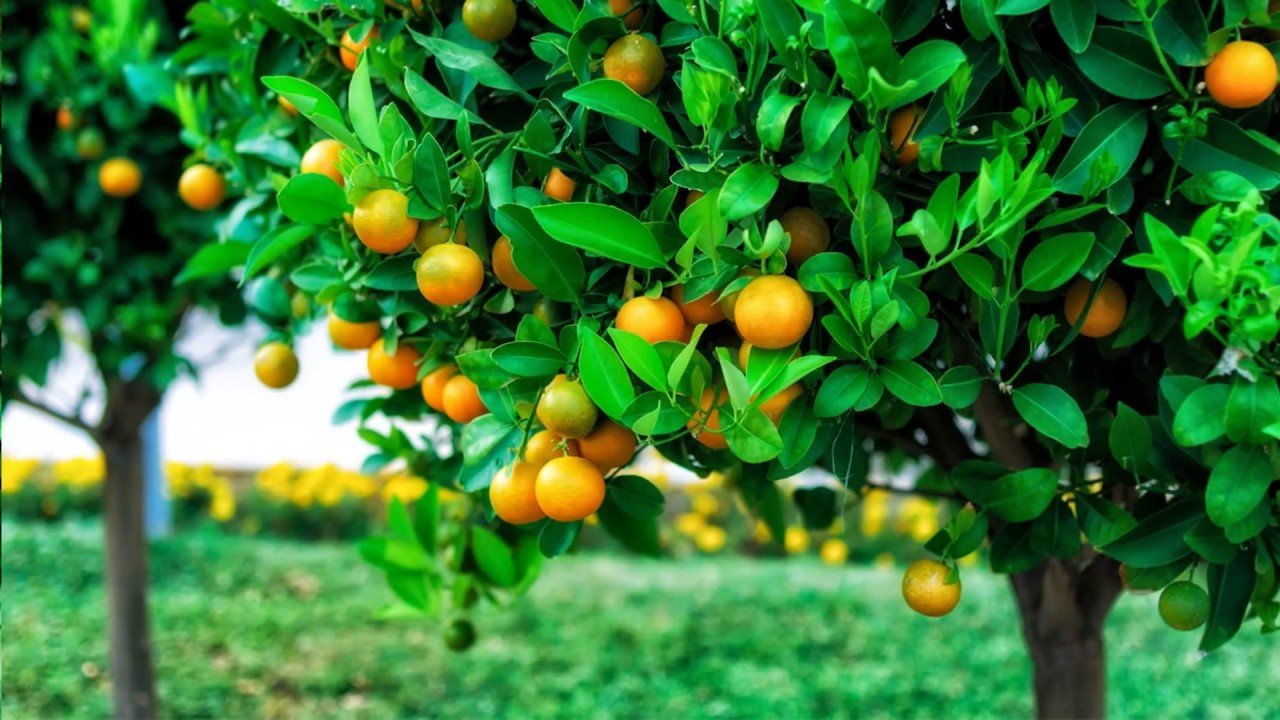
Žižole is the local name used in several Balkan and Mediterranean countries for the fruit of the Ziziphus jujuba tree. This tree thrives in warm climates and produces green fruit that ripens into a reddish or brown color. The fresh fruit has a crisp texture and mildly tart flavor. As it dries, the fruit becomes wrinkled and develops a sweetness similar to dates.
The fruit has long been grown in traditional gardens and village landscapes, especially in Croatia, Slovenia, and parts of Italy and Greece. Its importance is not only in its flavor but in its symbolic and medicinal uses as well.
Nutritional Value of Žižole
Žižole contains a rich blend of nutrients that contribute to its health-promoting properties. It provides vitamin C in high amounts, which is essential for immune health. The fruit also contains potassium, dietary fiber, iron, and a variety of plant antioxidants. These nutrients support digestion, circulation, and cellular protection against stress.
Unlike processed snacks, žižole contains natural sugars, making it a healthier alternative for those looking to reduce their intake of artificial sweeteners or refined sugars. Even in small quantities, it offers important minerals that support energy and body functions.
Traditional Uses of Žižole in Herbal Medicine
In traditional medicine, žižole is often used to support sleep, calm the nerves, and reduce feelings of stress. The fruit is boiled in water to make infusions or decoctions. These are then consumed before bedtime or during periods of emotional fatigue. Some natural health traditions recommend the dried fruit as a tonic for the stomach and liver.
Herbalists and traditional healers have also used žižole to treat sore throats, coughing, and minor digestive issues. Its combination of fiber and natural acids helps to soothe the stomach and regulate bowel movements without irritation.
Culinary Uses of Žižole in Home Kitchens
In everyday cooking, žižole is eaten both fresh and dried. The fresh fruit is often picked in late summer and early autumn. It can be added to salads or eaten raw as a seasonal treat. Dried žižole is used in teas, desserts, and sometimes even in savory meat dishes. In some cultures, it is mixed with nuts or seeds for a healthy snack.
The dried version is easy to store and can be rehydrated in hot water or used directly in recipes. It adds natural sweetness and texture to baked goods and cereals. In herbal shops, žižole is sometimes found as a powder or syrup for health and cooking purposes.
How to Grow and Care for a Žižole Tree
If you are in a climate that supports Mediterranean plants, the žižole tree can be grown in your home garden. It requires full sun and well-drained soil. Once established, the tree is tolerant to dry conditions and needs minimal maintenance. Pruning once a year helps keep the shape of the tree and increases fruit yield.
Fruit begins to appear after a few growing seasons, and harvest usually happens when the fruit turns from green to red. It is important to pick the fruit before it falls naturally, as the texture and quality are best when ripened on the tree.

Benefits of Including Žižole in the Diet
Adding žižole to your daily meals or as a snack offers many health advantages. The natural fiber improves digestion, while antioxidants help reduce inflammation in the body. Its vitamin and mineral content supports heart health, immune balance, and energy production.
Žižole also provides a safer sweet option for those watching their sugar intake. It can replace processed snacks and desserts, especially when consumed in moderation as dried fruit.
Buying and Storing Žižole
Žižole can be found in local markets during harvest seasons and year-round in dried form at herbal shops. When buying fresh žižole, look for firm fruits without soft spots. Dried žižole should be chewy but not hard, and free of mold or odd smells.
To store fresh žižole, place them in a cool area or in the refrigerator where they will keep for several days. Dried žižole should be stored in airtight containers in a dry, dark place. This prevents moisture from spoiling the fruit and helps retain its flavor.
Žižole in Cultural Celebrations
In many villages, the arrival of žižole season is marked by local festivals and fairs. Families gather to harvest, cook, and share recipes. This fruit often appears in traditional celebrations of health, longevity, and prosperity. Its use in seasonal remedies and special dishes keeps the cultural heritage alive.
Precautions and Considerations
Though žižole is safe for most people, excessive consumption may lead to bloating or mild stomach discomfort due to its fiber. People with special dietary restrictions, especially those managing blood sugar levels, should consume dried žižole in moderation and monitor their intake.
Always consult with a healthcare provider before using žižole or any fruit in large quantities for therapeutic purposes, especially if you are already using medication or managing a health condition.
Conclusion
Žižole is more than a seasonal fruit. Its value lies in its rich history, diverse uses, and nutritional strength. From helping digestion to supporting relaxation, žižole continues to be a part of traditional life and modern wellness practices. Its mild taste, flexibility in recipes, and gentle healing effects make it a fruit worth exploring in both food and medicine.
To explore more in-depth articles on seasonal fruits and traditional remedies, visit Magazines Break.

FAQs
What is žižole fruit used for
Žižole is used in traditional medicine, herbal teas, desserts, and as a natural sweet snack due to its nutritional properties.
Is žižole good for digestion
Yes, žižole contains natural fiber that supports digestive balance and promotes smooth bowel movement.
Can žižole support better sleep
Žižole has natural compounds that promote relaxation and are often used in traditional remedies for restful sleep.
How is žižole consumed
Žižole can be eaten fresh, dried, brewed in teas, or added to sweet and savory dishes depending on the region.
Where to buy žižole
Žižole is available fresh in local markets during harvest and in dried form at herbal stores or online year-round.
Does žižole have vitamin C
Yes, žižole is a rich source of vitamin C, which helps strengthen the immune system and supports skin health.
Is dried žižole as nutritious as fresh
Dried žižole retains most of its nutrients and is a concentrated source of antioxidants and natural sugars.
Is žižole safe for children
Žižole is generally safe for children when consumed in moderate amounts and without any added sweeteners.
What does žižole taste like
Fresh žižole is slightly tart and crisp while dried žižole is sweet and chewy with a texture similar to dates.
How should žižole be stored
Fresh žižole should be refrigerated and eaten within a few days. Dried žižole should be kept in an airtight container away from moisture.
About the Author